

How to Get the Best from Your Recording Studio Singing Experience – 12 Essential Tips
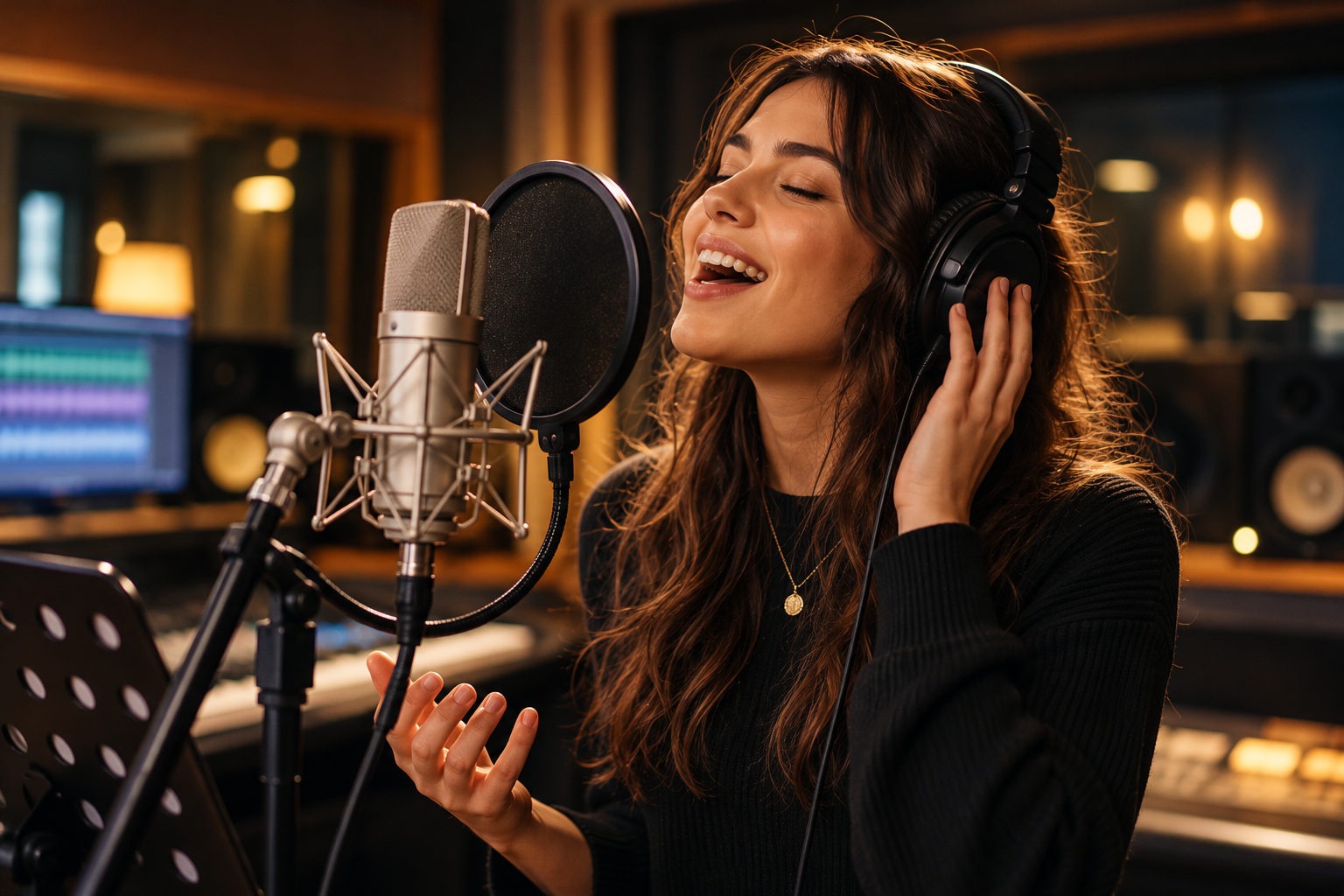
So, you’ve booked a professional recording studio singing experience – or perhaps you’ve received one as a gift. Exciting times!
Whether you’re a confident performer or someone who’s never sung into a studio microphone before, recording your favourite songs in a professional studio is an experience you’ll remember for years.
But here’s something worth knowing: a little preparation before your session can make a surprisingly big difference to both your enjoyment and your finished recordings.
From choosing the right songs to understanding what happens behind the mixing desk, we’ve put together 12 practical tips to help you make the most of your time in the studio.
1. Choose Songs That Really Suit Your Voice
This is probably the single most important piece of advice we can give you.
It’s tempting to choose a huge, dramatic song by your favourite artist, but just because you love listening to a particular song doesn’t necessarily mean it’s the best one for you to record.
Think about songs that sit comfortably within your natural vocal range, suit your style and allow you to perform with confidence.
For example, if you find yourself struggling to reach the highest notes during practice, that difficulty probably won’t disappear when you step behind the microphone!
Our tip: Choose a song you can sing comfortably from beginning to end rather than one that pushes your voice to its absolute limits. A confident, expressive performance nearly always makes a better recording than one where you’re constantly battling difficult notes.
2. Practise With the Actual Backing Track
Here’s something that catches quite a few first-time recording artists by surprise.
The instrumental backing track used in a recording studio may sound slightly different from the original commercial recording you’re familiar with.
There might be subtle differences in the arrangement, timing, introductions or ending. Occasionally, the backing track may even be in a different key.
That’s why it’s important to practise with the actual backing track you’ll be using during your recording session whenever possible.
You’ll become familiar with exactly where to start singing, how long instrumental sections last and when the final note arrives.
Our tip: Once your backing track has been confirmed, listen to it regularly and sing along until you’re completely comfortable with the arrangement.
3. Learn Your Lyrics Before You Arrive
Reading lyrics while singing isn’t necessarily a problem, but knowing your words thoroughly allows you to concentrate on something much more important – your performance.
When you’re not worrying about what comes next, you can focus on expression, phrasing and the emotions behind the song.
You’ll also find it easier to maintain a natural flow without constantly looking down at a phone or lyric sheet.
There’s nothing wrong with bringing a copy of your lyrics as a safety net, particularly for longer songs, but try not to rely on them throughout the performance.
Our tip: Practise singing your chosen songs without looking at the words. If you can perform them confidently from memory, you’re in great shape for your recording session.
4. Make Sure You’re Singing in the Right Key
Every singer has a natural vocal range, and choosing the correct key can make an enormous difference to the quality of a performance.
Professional recording artists frequently have songs adjusted to suit their voices, so there’s absolutely no reason to struggle with a key that’s too high or too low.
If you love a particular song but find certain notes uncomfortable, it may be possible to use a backing track in a different key.
However, changes to backing tracks aren’t always possible during a recording session, so it’s best to establish this beforehand.
Our tip: If you’re struggling with the original key, discuss alternative backing tracks or keys with your recording experience provider before your session.
5. Look After Your Voice in the Days Before Recording
Your voice is your instrument, and just like any other instrument, it performs best when it’s properly looked after.
In the days leading up to your session, try to avoid excessive shouting, prolonged loud singing or anything else that leaves your voice feeling tired or strained.
Drink water regularly, get adequate rest and avoid pushing your voice when it feels uncomfortable.
You don’t need to follow an elaborate professional singer’s routine, but arriving with a fresh, comfortable voice will certainly help.
Our tip: Avoid a marathon singing rehearsal the night before your recording session. A rested voice is generally much more useful than one that’s been overworked.
6. Get a Good Night’s Sleep
Recording a song requires concentration, energy and emotional engagement.
When you’re tired, it can be harder to maintain focus, control your breathing and deliver a consistent vocal performance.
A good night’s sleep can also help you feel more relaxed and ready to enjoy the experience.
If possible, avoid scheduling lots of exhausting activities immediately before your session.
Our tip: Treat the day before your recording as preparation for something special. Arrive refreshed, comfortable and ready to enjoy yourself.
7. Warm Up Your Voice Gently
Just as athletes warm up before exercising, singers often benefit from a few gentle vocal exercises before performing.
Light humming, comfortable scales and gentle lip trills can help you ease into singing without immediately attempting the most demanding parts of your chosen song.
The key is to keep everything gentle and within a comfortable range.
You don’t need to spend half an hour warming up, but launching straight into a powerful chorus without any preparation isn’t always the best approach.
Our tip: Do a few minutes of gentle vocal warm-ups before your session, avoiding anything that causes discomfort or strain.
8. Don’t Be Nervous About the Microphone!
If you’ve never recorded in a professional studio before, the microphone can initially feel a little intimidating.
Suddenly you’re wearing headphones, standing in front of expensive equipment and hearing your own voice in a completely different way.
That’s perfectly normal.
The good news is that professional studio microphones are designed to capture the detail and character of your voice, and your producer will help you find a comfortable position.
You won’t be expected to understand microphone technique or recording equipment before you arrive.
Your producer can guide you on where to stand, how far to position yourself from the microphone and how to avoid unwanted sounds during your performance.
Our tip: Try not to move dramatically towards or away from the microphone while singing unless your producer suggests it. Maintaining a reasonably consistent position helps create a balanced recording.
9. Listen to Your Producer – They’re There to Help
One of the biggest advantages of recording in a professional studio is having an experienced producer working alongside you.
They’ll be listening carefully to your performance and may offer suggestions about timing, phrasing, pitch, microphone positioning or delivery.
Sometimes a small change can make a huge difference.
For example, singing a phrase a little more gently or adding slightly more energy to a chorus can completely transform how a recording feels.
Remember that your producer wants you to achieve the best possible result, so don’t be afraid to ask questions.
Our tip: Be open to constructive suggestions. You might discover something about your voice or performance that you’ve never noticed before.
10. Don’t Expect to Record Everything Perfectly in One Take
Here’s a reassuring fact: even highly experienced professional singers don’t necessarily record a song perfectly from beginning to end in a single take.
Modern recording technology allows producers to capture multiple performances and, where appropriate and time permits, combine the strongest sections.
Perhaps your first verse sounds fantastic, but you’d like another attempt at the chorus. That’s a perfectly normal part of the recording process.
Depending on your experience package and available studio time, your producer may be able to record additional takes or concentrate on individual sections.
The important thing is not to become frustrated if everything isn’t perfect immediately.
Our tip: Relax, enjoy the process and remember that recording music is a creative activity, not an examination!
11. Make the Most of Your Available Studio Time
Recording studio experiences are usually booked for a fixed period, so a little organisation beforehand can help you achieve more during your session.
Arrive on time, know which songs you want to record and have any required backing tracks or lyrics ready.
It’s also worth being realistic about how much material you can record.
Recording a song involves more than simply singing it once. Time may also be needed for setting up, adjusting headphone levels, recording additional takes, editing and mixing.
Trying to squeeze too many songs into a short session could mean rushing through performances that would benefit from a little more attention.
Our tip: Prioritise the songs that matter most to you. It’s often better to leave with one recording you’re really proud of than several recordings that feel rushed.
12. Put Emotion Into Your Performance – Not Just Perfect Notes
Here’s something that can make the difference between a technically good recording and a genuinely memorable one.
Great singing isn’t just about hitting the right notes.
It’s about communicating the meaning and emotion of a song.
Think about what the lyrics are saying. Is the song joyful, reflective, emotional, energetic or dramatic?
Try to imagine you’re telling someone a story rather than simply singing words into a microphone.
Subtle changes in dynamics, expression and phrasing can make a recording feel much more personal.
And don’t worry if your voice isn’t identical to the original artist’s. Your individual character is what makes your recording special.
Our tip: Don’t try too hard to imitate the original singer. Let your own personality come through and make the song your own.
Bonus Tip: Remember to Enjoy Yourself!
We’ve saved perhaps the most important reminder until last.
A recording studio singing experience should be fun!
You’re stepping into an environment where professional artists create music, working with experienced producers and hearing your own voice through professional recording equipment.
For many people, it’s something they’ve dreamed about doing for years.
So don’t put unnecessary pressure on yourself to deliver a flawless performance.
Take photographs where permitted, enjoy the atmosphere, ask questions and make the most of an opportunity that doesn’t come along every day.
Your Recording Studio Preparation Checklist
Here’s a quick checklist to help you prepare for your big day:
- Choose songs that suit your voice and musical style.
- Confirm your backing tracks and practise singing along with them.
- Make sure the songs are in a comfortable key.
- Learn your lyrics and bring a copy if needed.
- Avoid excessive singing or shouting before your session.
- Get a good night’s sleep.
- Stay comfortably hydrated.
- Warm up your voice gently.
- Check your studio address, arrival time and booking instructions.
- Arrive ready to listen, learn and have fun!
What If You’ve Never Sung in a Recording Studio Before?
Don’t worry – you’re certainly not alone!
Many people enjoying a RecordingGift.com singing experience have never visited a professional studio before.
You don’t need to understand complicated equipment, know how to mix music or have any previous recording knowledge.
Our experienced producers are there to guide you through the process, helping you feel comfortable and confident as you record your chosen songs.
Whether you’re a complete beginner, a keen amateur or an experienced performer, the experience is about celebrating your enjoyment of music.
Ready to Experience Professional Recording for Yourself?
Since 2006, RecordingGift.com has helped more than 13,000 participants enjoy professional recording studio experiences throughout the UK.
Our range of singing experiences offers something for different abilities and budgets, from shorter introductory sessions to longer recording experiences that allow more time to enjoy the creative process.
Whether you’re treating yourself or searching for an unforgettable present for someone who loves singing, a recording studio experience is a wonderful way to create something special.
Frequently Asked Questions
How should I prepare for my first recording studio session?
Choose suitable songs, practise with your backing tracks, learn your lyrics and make sure you’re comfortable singing in the chosen key. Arriving well rested and knowing what you’d like to achieve will help you enjoy the session.
Do I need to be a good singer to record in a studio?
Not at all. Recording studio experiences are suitable for people with different levels of singing ability. You don’t need to be a professional performer to enjoy creating your own recording.
Can a recording studio make my voice sound better?
Professional microphones, recording equipment and mixing techniques can help capture and present your voice at its best. Some studios may also offer vocal editing or pitch correction where appropriate, although what’s included varies by experience and studio. A well-prepared, expressive performance is still the most important ingredient.
How many songs can I record during my session?
That depends on the length of your recording experience, the complexity of your chosen material and how much time is needed for recording and production. Check your individual package details and discuss your plans with your studio beforehand.
Should I bring my own backing tracks?
Follow the instructions provided with your booking. You may be asked to select or supply suitable backing tracks before your session so the studio can prepare in advance.
Make Every Minute Behind the Microphone Count
A little preparation goes a long way when you’re recording music.
Choose songs you love, practise beforehand, listen to your producer and, above all, enjoy the opportunity to make music in a professional environment.
You don’t need to be a superstar to have a fantastic recording experience.
You simply need enthusiasm, a song you love and the confidence to give it your best.
And who knows? You might surprise yourself with just how good your finished recording sounds!